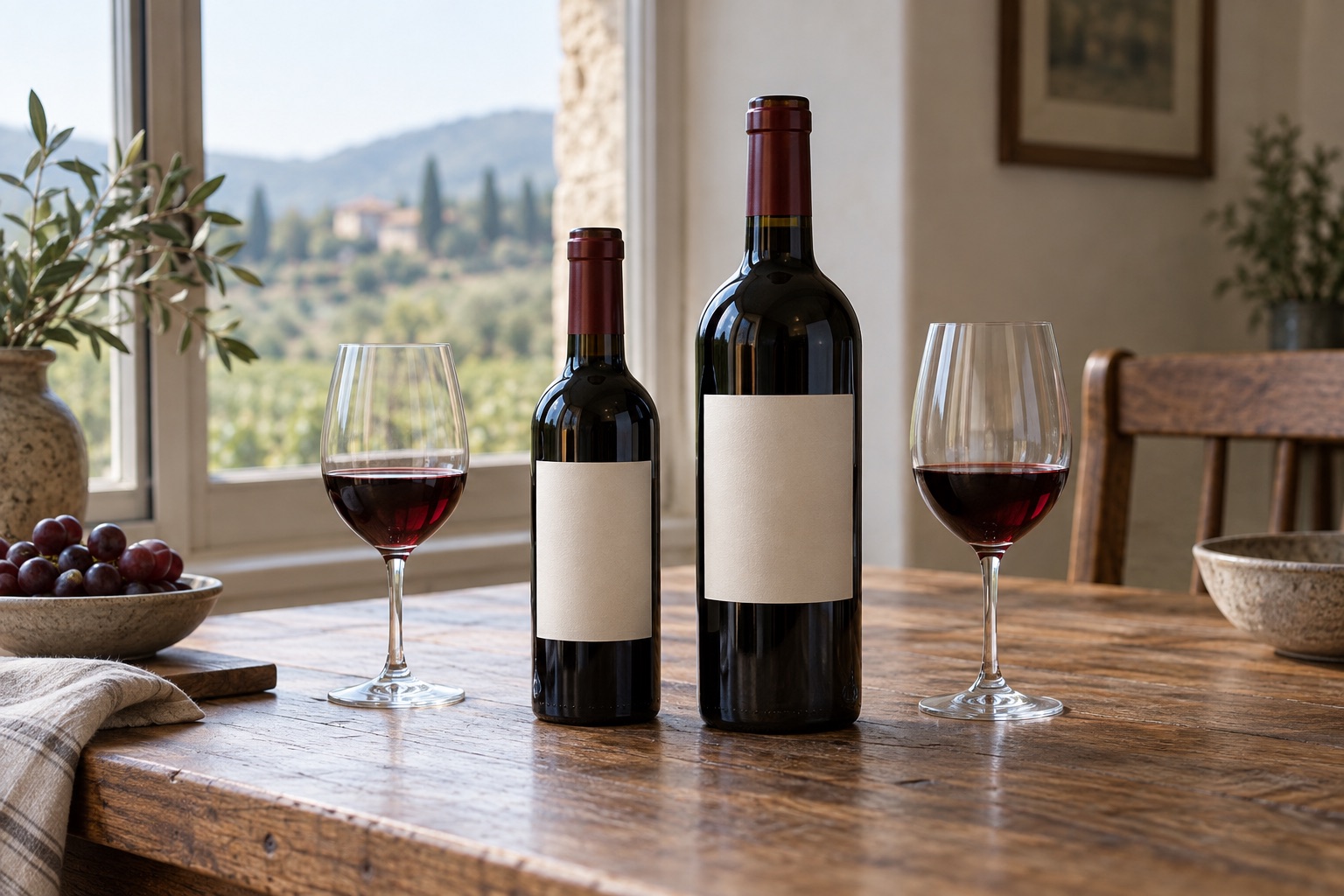
A half bottle is worth buying when it solves a quantity problem. The standard 375ml format gives you two modest dinner glasses or several small dessert pours without committing to a full 750ml bottle. It is not automatically better value by volume, but the right amount can be better value for your evening.
Our bottle-size guide explains the full range from splits to magnums. Here the question is practical: when should the small one go into your basket?
Compare the Cost of the Wine You Will Drink
The shelf price can mislead. To compare like with like, double the half-bottle price and set it beside the price of a full bottle of the same wine and vintage. If the half is £12 and the full is £20, the smaller bottle costs £24 per 750ml equivalent. You pay a premium for packaging and flexibility.
But the full bottle is only cheaper if you use it. If you want two glasses tonight and the remaining wine is likely to sit untouched, the cheaper per-millilitre option may create more waste. A half bottle also lets you try a producer or style without making an entire evening depend on it.
Availability is the catch. Shops usually have fewer wines in half bottles, and discounts can change the calculation. Compare the bottles actually on the shelf, not an imagined perfect selection.
The Moments When a Half Bottle Wins
Dinner for one or two. A half bottle can match a meal without a fridge full of leftovers. If two people only want one small glass each, it is often exactly enough.
Dessert wine. Sweet wines are poured in smaller servings. A half bottle of Sauternes, Tokaji or another sweet style can serve several guests without leaving most of a full bottle open. If you are pairing dessert, choose a wine at least as sweet as the pudding so it does not taste thin by comparison.
A side-by-side tasting. Two different half bottles make a four-glass comparison without opening 1.5 litres. That is a friendlier way to test, for example, an oaked and an unoaked Chardonnay, then record what you preferred.
A special bottle with a small table. A half bottle can bring a more ambitious wine into an ordinary dinner budget, provided the shop stocks a sound bottle from a producer you trust.
The smaller format is less useful at a long party or when guests want refills. In those cases, standard bottles are easier to source and usually simpler to serve. Our party quantity guide helps size the total before you choose formats.
Think About Age and Storage
Half bottles can mature faster than larger formats, but “faster” does not mean “better”. A wine meant to be cellared for a long time may be more predictable in a standard bottle or magnum. Ask the merchant or producer about the particular wine rather than assuming every 375ml bottle has the same drinking window.
For wines you will open soon, storage basics do not change: keep them away from heat and strong light. The wine storage guide covers the practical details. Once opened, a half bottle still needs a stopper and refrigeration where appropriate; consult the opened-wine guide rather than treating the small bottle as self-preserving.
Make the Format Part of the Note
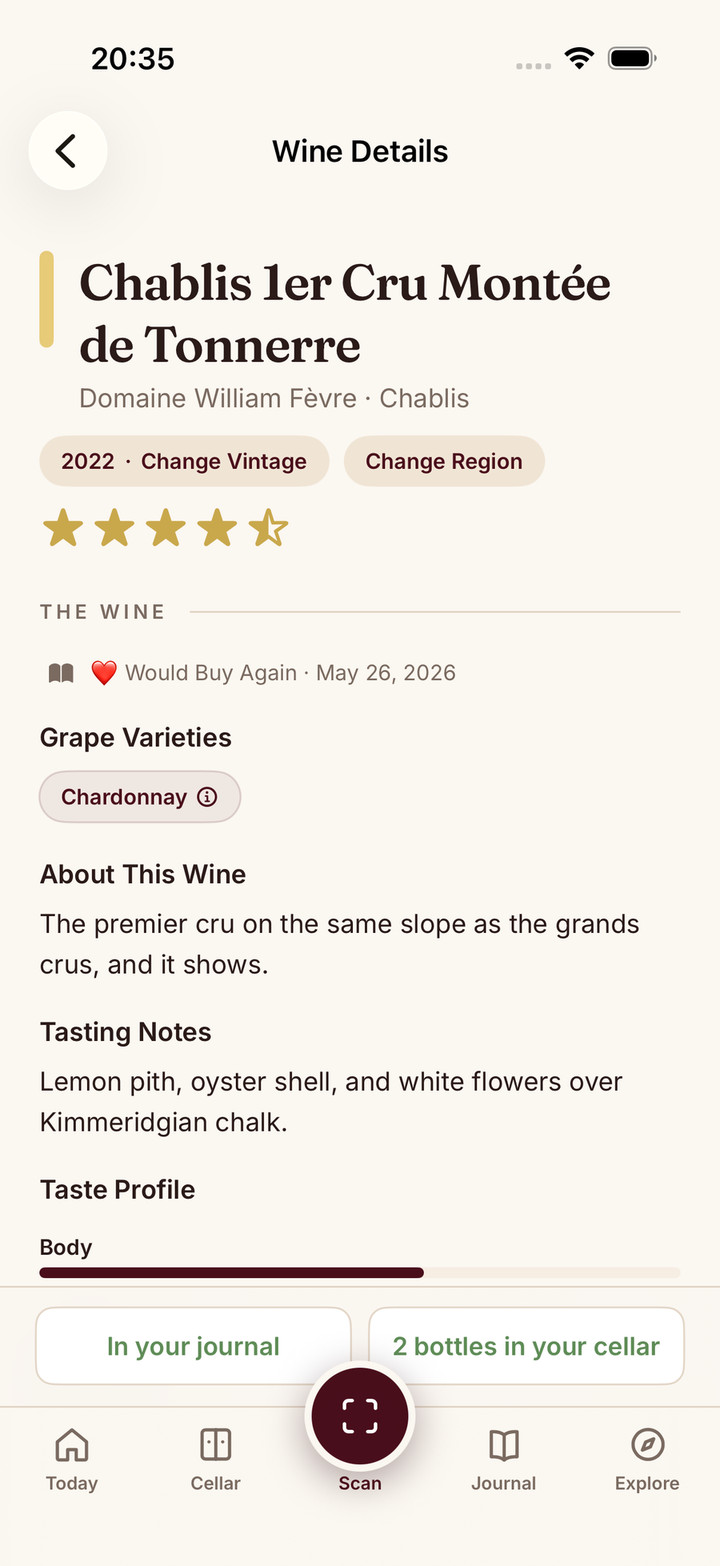
If you cellar or journal a half bottle, note its format alongside the vintage and date opened. That context helps when you compare it with a full bottle later, and it stops two similar labels becoming one confusing entry. Sommo’s wine journal is a useful home for that tasting record.
Download Sommo and keep the bottles worth buying again easy to find.