A crisp, dry alcohol-free sparkling wine belongs with salty starters, fried bites and creamy food. For dessert, change to a sweeter style. The useful question is not whether a bottle has alcohol; it is whether its acidity, bubbles and sweetness suit what is on the plate.
Our guide to non-alcoholic wine explains how dealcoholised wine is made. Here the task is narrower: you have a bottle of fizz and need to serve dinner. Read the label for sweetness clues, taste a sip before guests arrive, and pair what is actually in the glass. Alcohol-free sparkling wines vary widely; do not assume “sparkling” means dry.
Start with the bottle, not the menu
Pour a small chilled sample. Does it taste citrusy and brisk, round and fruity, or noticeably sweet? Carbonation makes a drink feel lively, but it cannot rescue a mismatch between a sweet drink and a delicate savoury dish. If the label gives a sugar figure, use it as a clue; your palate is still the final check.
For guests who avoid alcohol completely, check the bottle’s stated alcohol content and ingredients rather than treating every “low” or “alcohol-free” label as interchangeable. The right choice depends on the person, and the host should never guess on their behalf.
Four pairings that make sense
| Food | Sparkling style | Reason to try it |
|---|---|---|
| Olives, salted nuts, crisps | Crisp, dry | Salt and acidity make a refreshing opening. |
| Tempura, fish and chips, fried halloumi | Dry with firm acidity | Bubbles and freshness cut through oil. |
| Goat’s cheese tart or creamy pasta | Dry, fruit-forward | The drink lifts richness without overwhelming the dish. |
| Fruit tart or lightly sweet cake | Clearly sweet | A dry drink can taste sour once dessert adds sugar. |
These are principles, not a promise about every brand. WSET’s winter food-matching guide explains why fatty foods welcome acidity and why sweet dishes generally need a drink at least as sweet. The same sensory test is useful for alcohol-free fizz even though its body and flavour may differ from traditional sparkling wine.
A simple dinner plan
For a mixed table, put the alcohol-free bottle in the same proper glasses and offer it at the same point as the other aperitifs. Then serve water throughout the meal. If the main is spicy, taste the pairing first: a very dry, sharp bottle may make the heat feel harsher, while a fruitier style can be gentler. Do not assume a dry aperitif will carry a sweet pudding as well.
If you want to compare the feel of different traditional sparkling styles before choosing an alcohol-free equivalent, our sparkling-wine beginner’s guide is a useful map. For a table with several dietary preferences, the wider vegetarian pairing guide can help with the food side of the equation.
Remember what worked
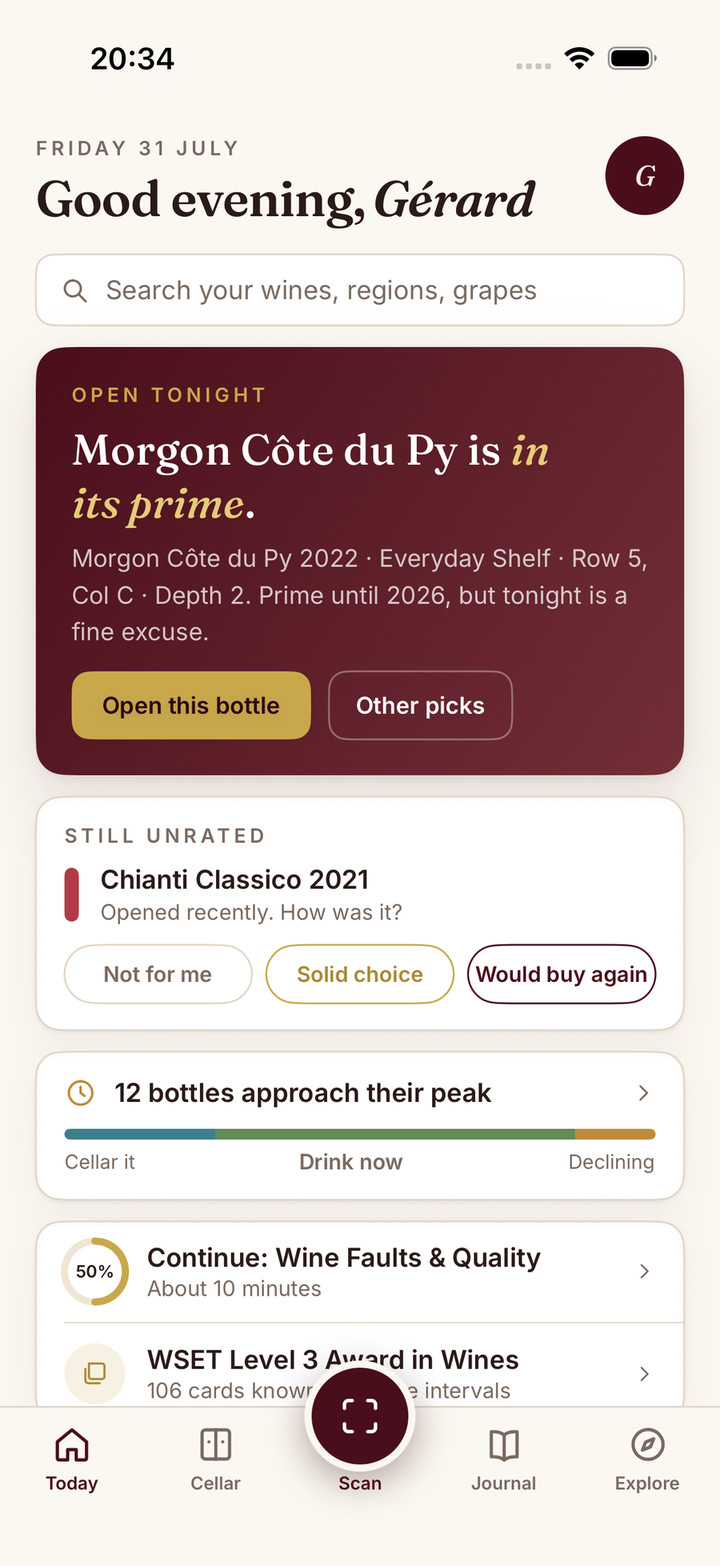
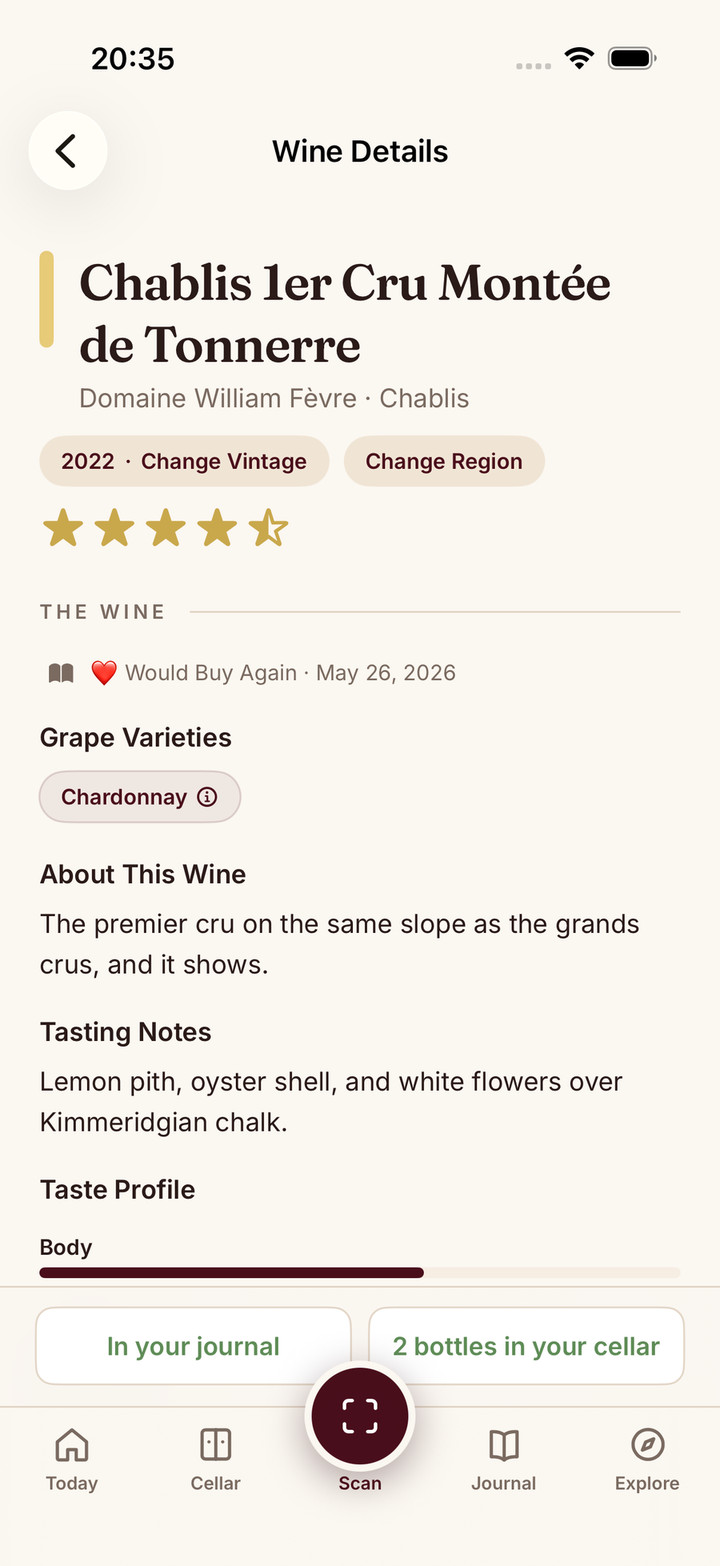
Record the exact bottle and dish in Sommo’s journal, especially how sweet the drink tasted beside the food. “Good with chips, too sweet for the tart” will help more next time than a star rating alone. A thoughtful alcohol-free pour should feel like a real part of dinner, not a consolation glass.
Download Sommo and keep your best food-and-fizz discoveries together.